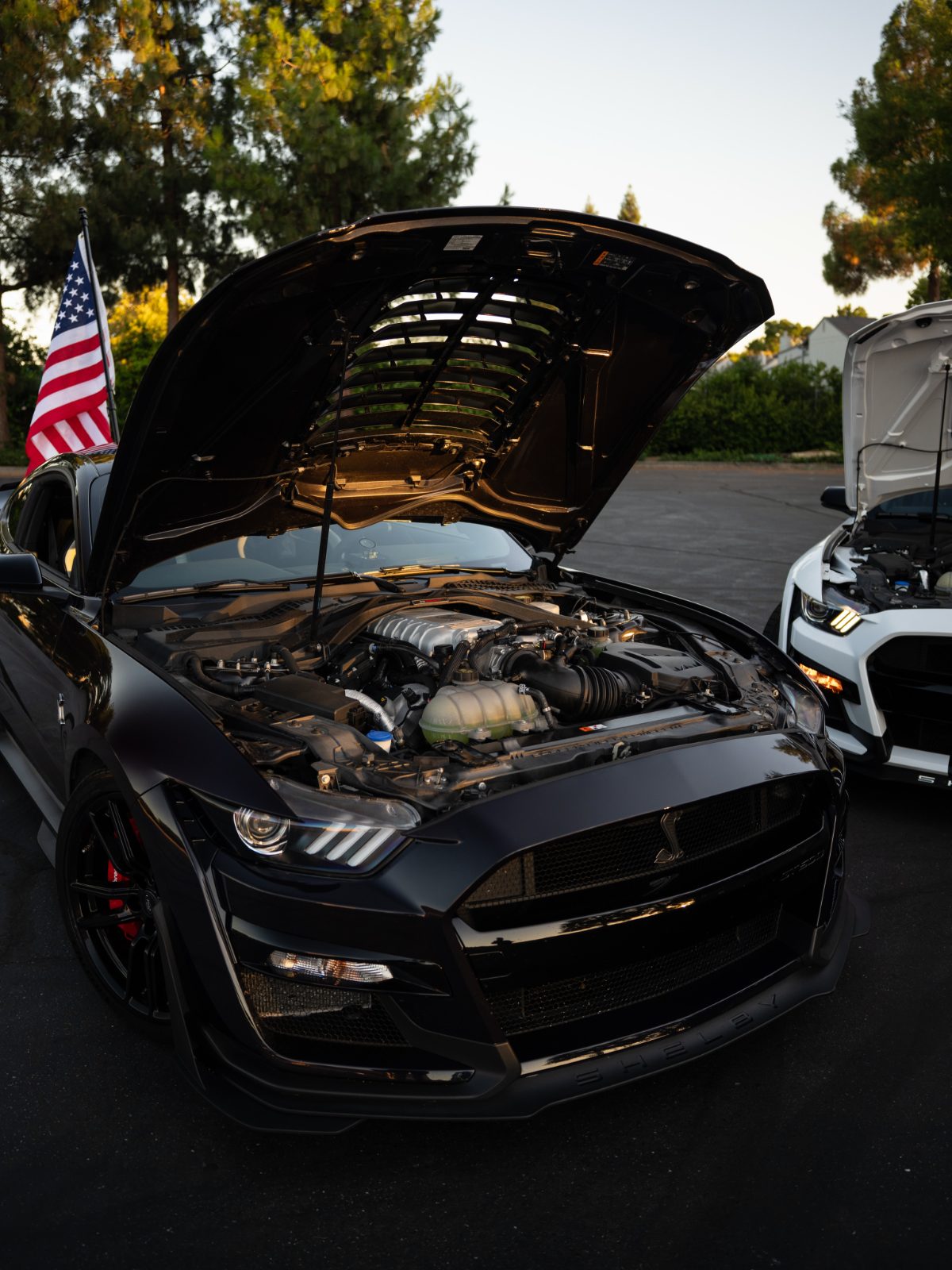
Careful Vehicle Paint Improvement
Professional Paint Correction in Vista, CA
Find out what can be improved in your vehicle's finish. Get a Free Estimate
Careful Vehicle Paint Improvement
Find out what can be improved in your vehicle's finish. Get a Free Estimate
Swirl marks, light scratches, oxidation, and repeated washing can leave vehicle paint looking dull or uneven. Paint correction uses controlled polishing techniques to improve certain defects in the clear coat or painted finish. The goal is to restore visual clarity and gloss while preserving as much usable paint material as practical.
Our paint correction service starts with a realistic assessment. Some defects respond well to polishing, while deeper scratches, clear coat failure, and damaged paint may require refinishing instead. We explain those differences before recommending a treatment.
Paint correction is a technical appearance-improvement process rather than a standard wash or wax. The appropriate approach depends on the paint system, depth of defects, previous repairs, and remaining finish condition. We focus on achievable improvement rather than promising complete defect removal.
We examine the vehicle's paint under suitable lighting to identify swirl marks, fine scratches, oxidation, and other visible concerns. Different defects require different approaches, and some are not suitable for correction. Existing paint repairs and signs of clear coat failure also affect the recommendation. We discuss which areas may improve through polishing and which may remain unchanged. This inspection helps establish realistic expectations before any abrasive work begins.
Before machine polishing, the exterior must be cleaned and prepared. Loose dirt, bonded contaminants, and residue can interfere with polishing and potentially introduce new marks. Appropriate washing and decontamination create a better starting surface. Preparation is adjusted to the condition of the vehicle. If we identify concerns that make polishing unsuitable, we explain them before proceeding.
A single-stage polishing treatment is often suitable when the goal is to improve overall gloss and reduce the appearance of lighter defects. It generally uses one main polishing stage rather than a more involved correction sequence. Results depend on the paint and the defects present. This approach can be a practical choice for drivers who want noticeable improvement without pursuing extensive correction. It is not intended to eliminate every scratch or restore failing paint.
Vehicles with more noticeable defects may require a combination of cutting and finishing stages. A more involved correction process can improve certain deeper surface marks and refine the finish, but it also requires careful judgment about how much material can safely be removed. We do not recommend aggressive polishing simply to chase every visible imperfection. Preserving the finish is more important than making unrealistic promises about complete defect removal.
After correction, the improved paint should be protected and maintained using suitable methods. Depending on your goals, this may involve a compatible protective product or a separate ceramic coating service. The choice depends on how the vehicle is used and maintained. We also discuss washing habits that can help reduce new swirl marks. Paint correction improves existing defects but cannot prevent future damage from improper washing, abrasion, or environmental exposure.
| Service | Estimated Cost | Average |
|---|---|---|
| Paint assessment | Quote required | Condition dependent |
| Single-stage enhancement | Quote required | Depends on vehicle size |
| Multi-stage correction | Quote required | Depends on defect severity |
Paint correction pricing depends on vehicle size, paint condition, defect severity, preparation, and the number of polishing stages. An inspection is needed to estimate the appropriate work.
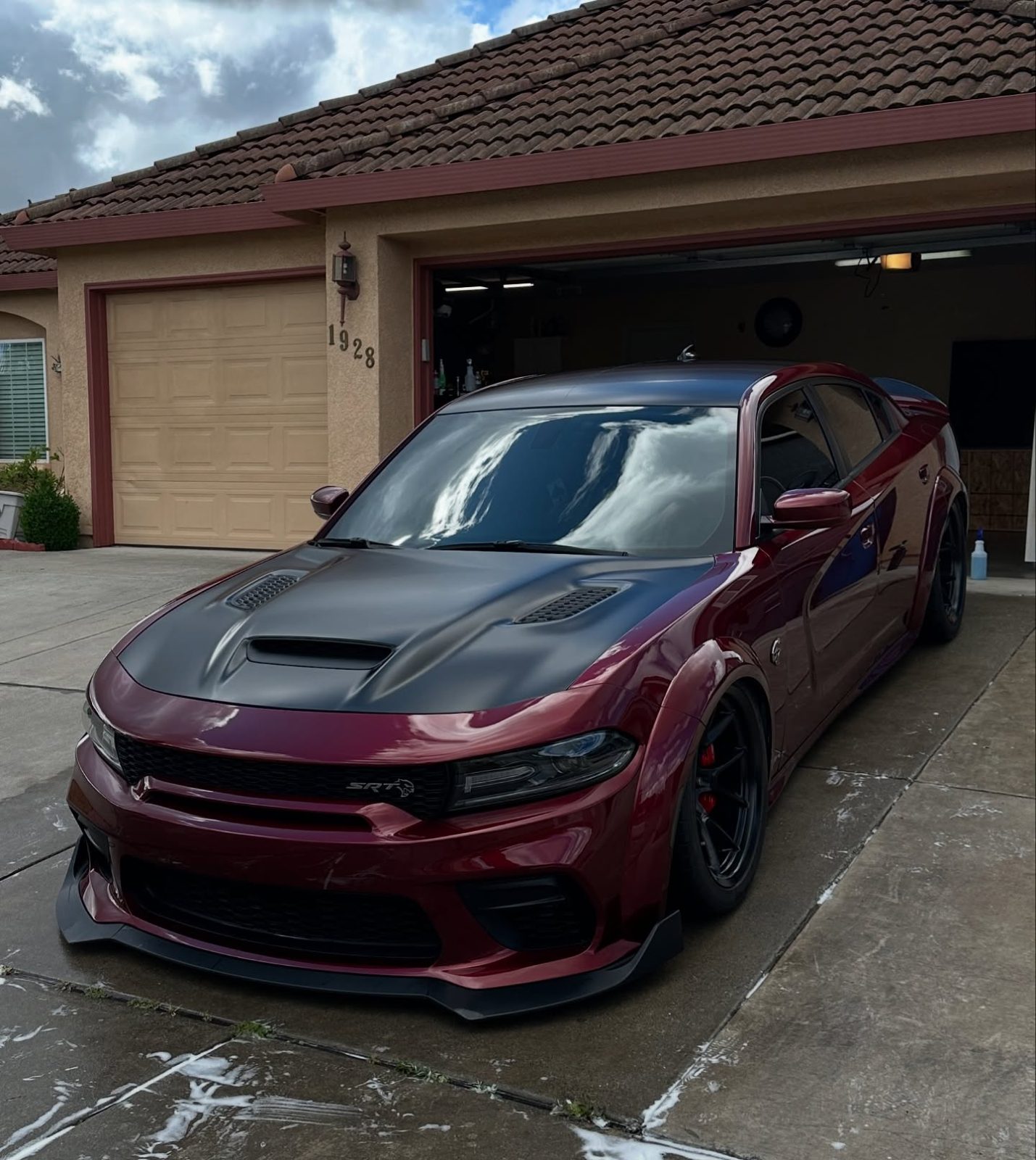
We assess visible defects before discussing correction options.
We prioritize responsible polishing rather than unnecessary removal of paint material.
We explain which imperfections may improve and which may require a different repair.
Not sure whether your paint needs correction? Describe the marks you see and request an assessment.
Free — no obligations
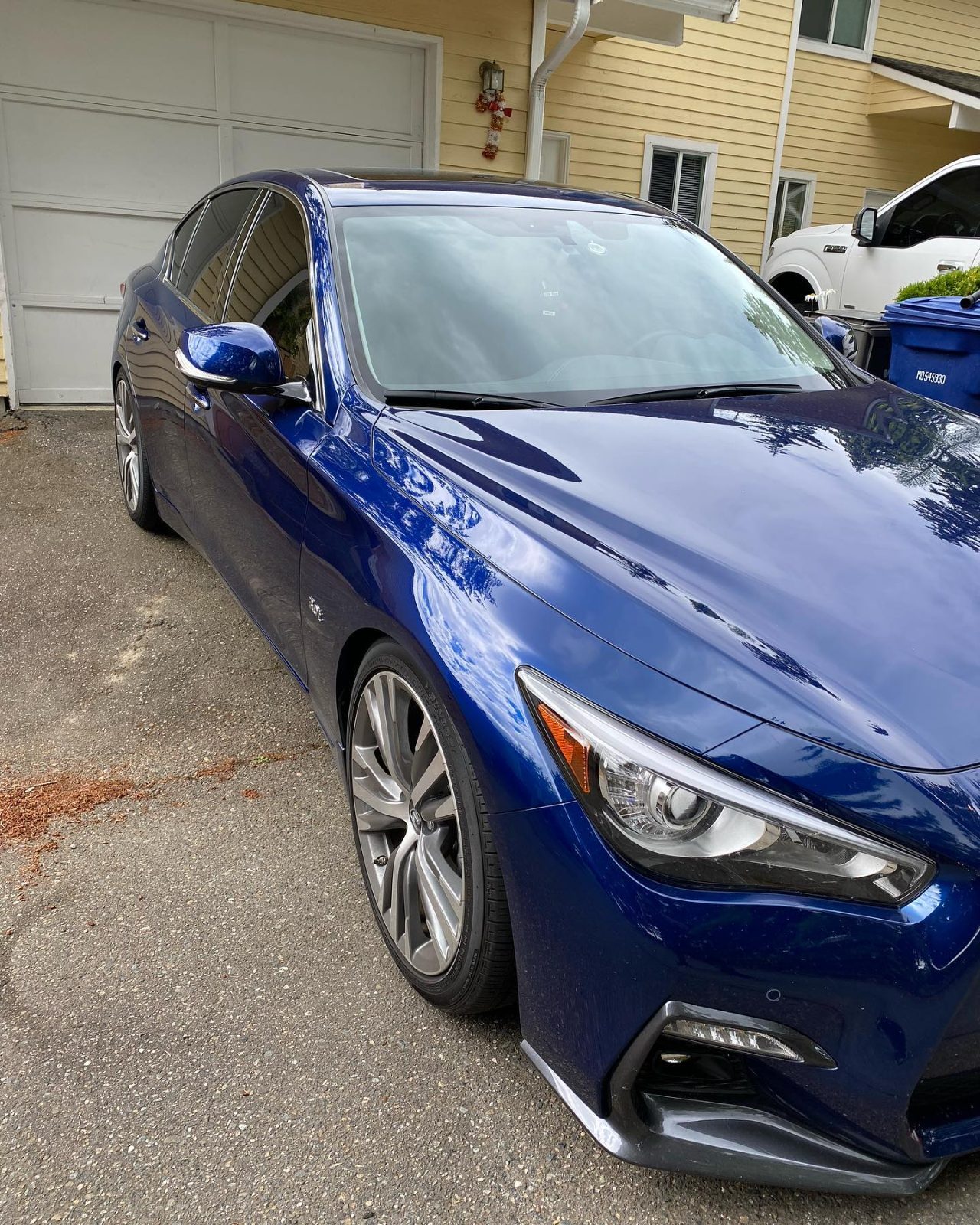
We evaluate paint condition, visible defects, and the desired level of improvement.
We wash and decontaminate suitable surfaces before polishing.
We carry out the agreed polishing approach while monitoring the finish.
We discuss the results, protection options, and suitable maintenance practices.