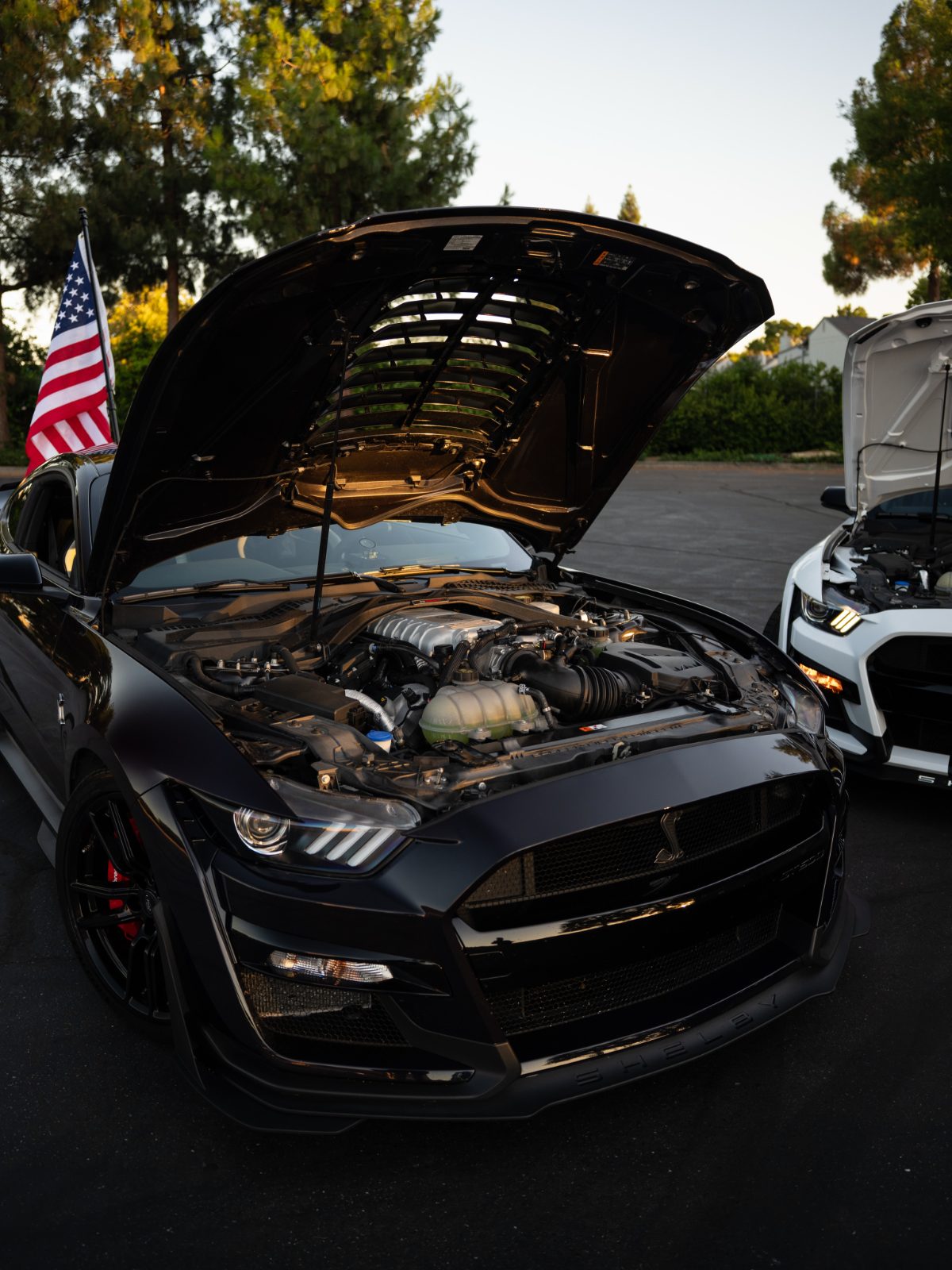
Cloudy and Yellowed Headlight Care
Mobile Headlight Restoration in Vista, CA
Find out whether your cloudy headlights can be restored. Get a Free Estimate
Cloudy and Yellowed Headlight Care
Find out whether your cloudy headlights can be restored. Get a Free Estimate
Sun exposure and age can cause some plastic headlight lenses to become cloudy, yellowed, or dull. This weathering can affect the appearance of your vehicle and may reduce the amount of useful light passing through the lens. Headlight restoration aims to improve suitable surface deterioration without replacing the entire assembly.
Our mobile headlight restoration service begins with an inspection of the lenses. We determine whether the problem appears to be external oxidation or something deeper, such as internal moisture, cracks, or damage. Not every headlight can be restored successfully, and we explain the difference before beginning.
Most restoration work focuses on the exterior surface of suitable plastic lenses. The process may involve cleaning, controlled abrasion, polishing, and applying compatible protection. The correct approach depends on the severity of oxidation and the condition of the headlight assembly.
We examine the lenses for yellowing, surface haze, scratches, cracks, and signs of internal moisture. External oxidation may respond to restoration, while damaged internal components or deteriorated reflectors require a different solution. We also consider the condition of the surrounding trim and paint. This assessment helps avoid unnecessary treatment when replacement or mechanical repair would be more appropriate.
Before restoration, we clean the accessible headlight surfaces and prepare the surrounding area. Dirt and residue need to be removed so the condition of the lens can be assessed accurately. Adjacent painted or trim surfaces are protected as appropriate for the planned work. Preparation matters because uncontrolled abrasion or unsuitable chemicals can cause additional damage. We select a method based on the lens condition.
Where appropriate, controlled sanding or another suitable surface-refinement method can remove deteriorated outer material. The amount of work depends on how severely the lens has weathered. Some lenses need only moderate attention, while heavily oxidized surfaces may require multiple stages. Deep cracking, internal damage, or significant material deterioration may remain visible. We avoid promising a like-new result when the lens condition does not support it.
After suitable surface preparation, polishing can improve the clarity and appearance of the lens. This stage refines the treated surface and reduces the haze left by earlier work. The final appearance depends on the original material and the severity of damage. Improved clarity may help light transmission when external oxidation was the cause, but restoration is not a substitute for repairing faulty bulbs, wiring, alignment, or damaged headlight assemblies.
Restored plastic lenses need suitable protection because exposure to sunlight and weather continues after the service. Depending on the restoration method, a compatible protective treatment may be applied to help slow renewed deterioration. The product and aftercare requirements are discussed before completion. Protection does not make a lens permanently resistant to aging. Parking conditions, sunlight exposure, cleaning habits, and product durability all influence how long the result lasts.
| Service | Estimated Cost | Average |
|---|---|---|
| Single headlight restoration | Quote required | Depends on condition |
| Pair of headlights | Quote required | Depends on oxidation |
| Restoration with protective finish | Quote required | Depends on treatment |
Pricing depends on lens size, oxidation severity, damage, and the selected protective treatment. Internal damage or failed components may require replacement or mechanical repair.
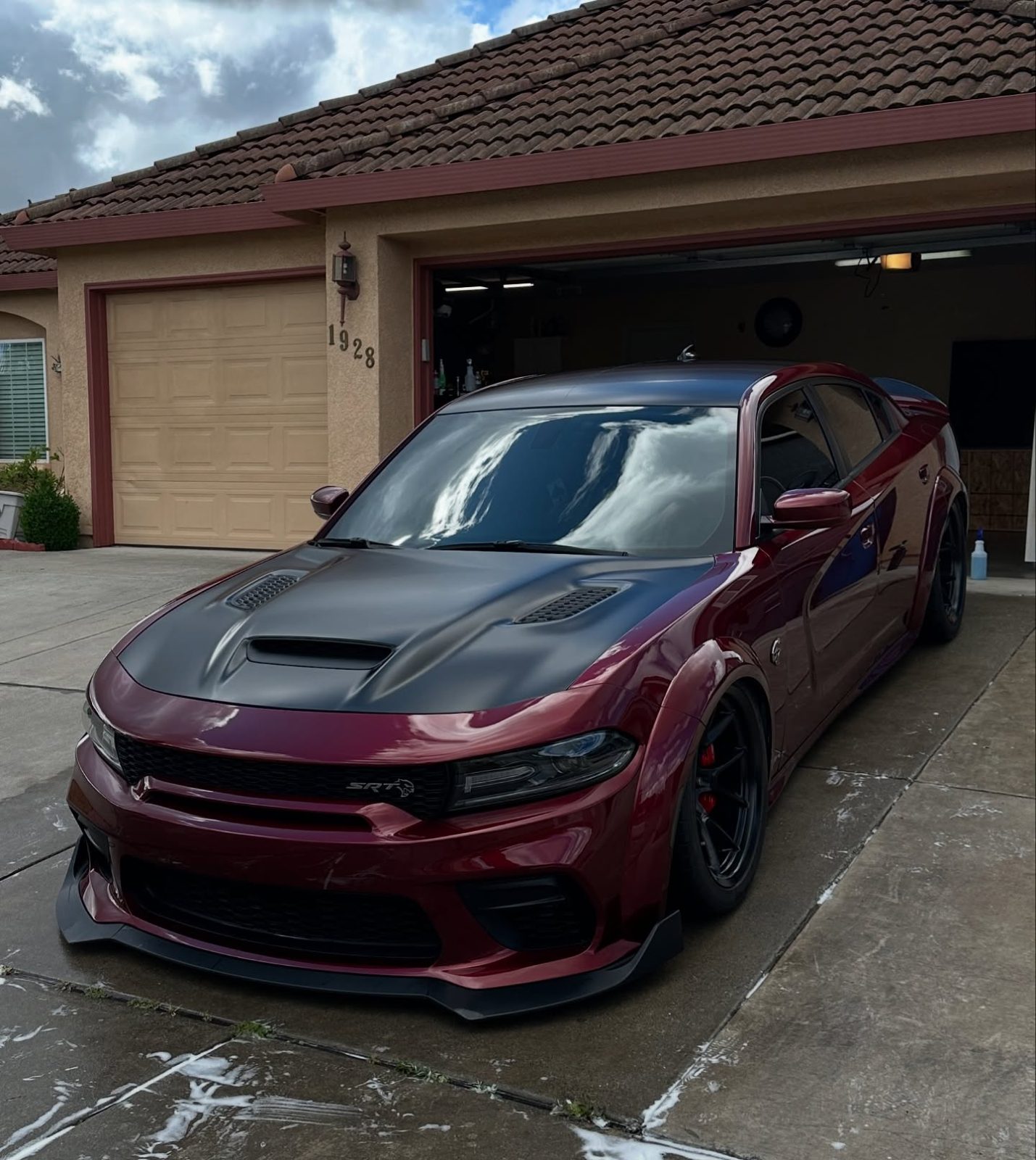
We check whether the problem is suitable for surface restoration.
We use a controlled approach designed around the condition of the plastic lens.
We explain how sun exposure and maintenance affect the restored surface.
Cloudy or yellowed headlights? Describe their condition and request a restoration estimate.
Free — no obligations
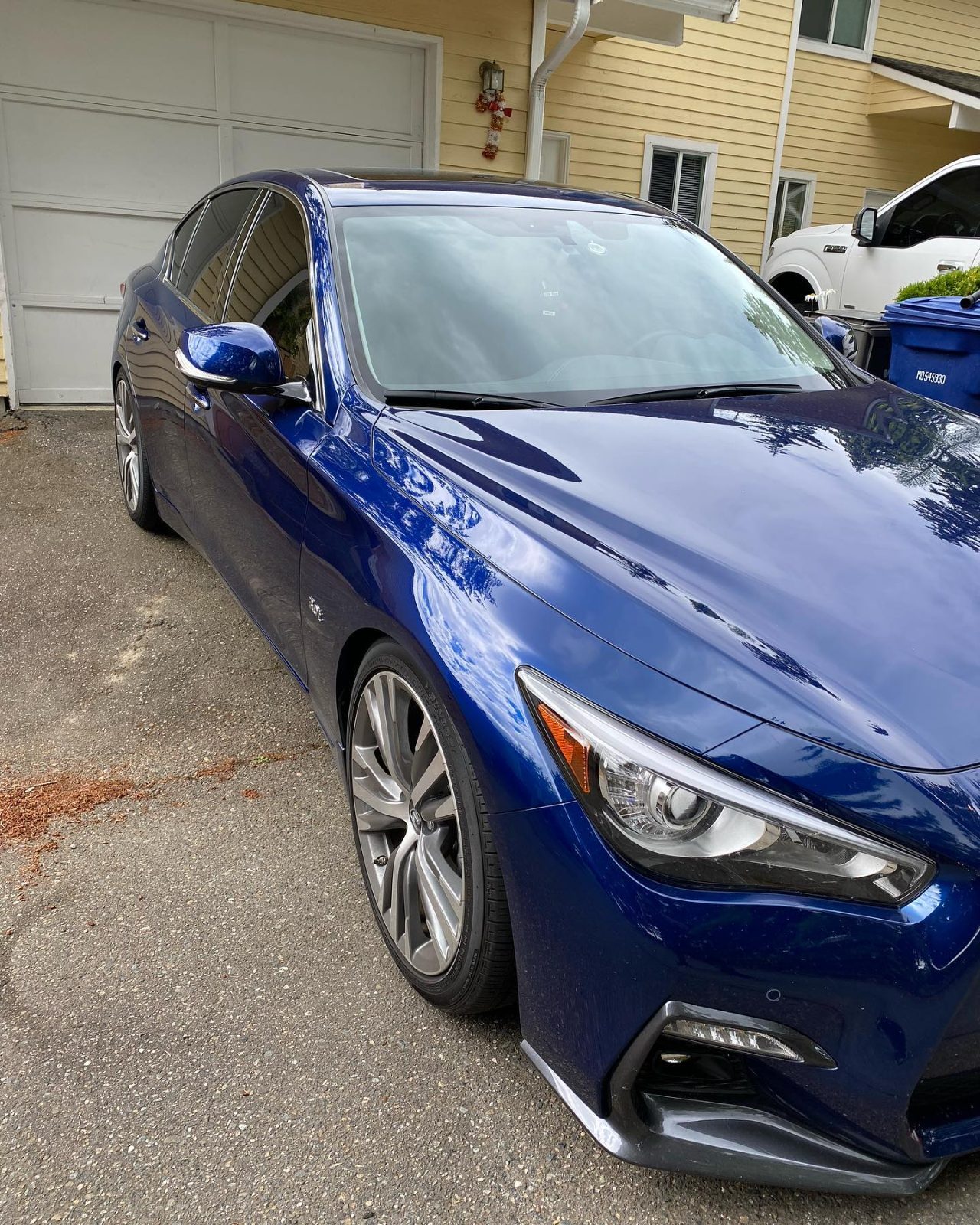
We check for oxidation, surface damage, and signs of internal problems.
We clean the lenses and protect suitable surrounding surfaces.
We complete the appropriate refinement and polishing stages.
We apply suitable protection when included and explain maintenance needs.